


 Kevin Zhao Sales Director

Hot Products


0102030405


15kg Load Capacity Single Axis Pan Rotator/Positioner from China Suppliers and Factory - 360° Rotation, IP66 Waterproof
Optimizing Industrial Workflows for Enhanced Productivity
Modern industrial operations require a strategic approach to streamline efficiency and reduce operational downtime. Implementing standardized protocols and leveraging automated systems are critical steps toward achieving sustainable growth and maintaining a competitive edge in today's fast-paced market.
Process Automation: Integrating smart sensors and automated machinery to minimize human error and accelerate throughput.
Data-Driven Decisions: Utilizing real-time analytics dashboards to monitor equipment health and output metrics.
Resource Allocation: Optimizing supply chain logistics and energy consumption profiles to cut unnecessary overhead.
Visual Overview & System Architecture
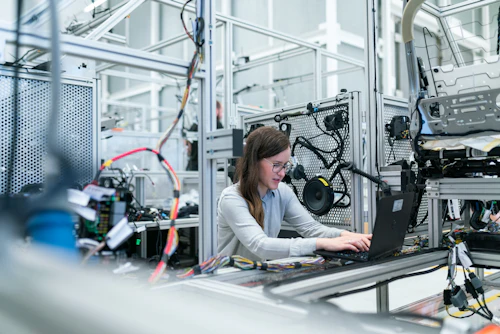
Below is a visual representation of the optimized workflow layout, detailing how machinery, control units, and human operators interact within the unified ecosystem.


Implementation Demonstration
Watch the step-by-step setup guide below to understand how the integration process is conducted on-site with minimal disruption to ongoing operations.
Frequently Asked Questions
What are the primary benefits of workflow optimization?
Workflow optimization increases production speed, reduces manual error rates, lowers operational costs, and improves overall workplace safety by automating hazardous tasks.
How long does the implementation process typically take?
Depending on the complexity of your existing infrastructure, initial setup and calibration can range from two to six weeks, designed to minimize system downtime.
Is the system compatible with legacy industrial machinery?
Yes, our customized sensor arrays and integration modules are engineered to interface seamlessly with most standard legacy machinery, bridging older hardware with modern IoT software.
What kind of maintenance does the automated system require?
The software systems update automatically via secure cloud channels. Physical sensors require basic cleaning and calibration checks once every six months.
How secure is the data transmission in this setup?
All data transmission utilizes end-to-end AES-256 encryption protocols, ensuring that your operational metrics and proprietary workflows remain secure from external threats.